Congregant Israel Reflections

Jennifer Kasper

January 2025

“I believe that it’s true, even though I doubt that it’s possible.” As we stood together under a 70-year-old Ficus tree at Kibbutz Nir Oz, I scribbled Rabbi Matt’s words in my small journal.  

This definition of faith stayed with me throughout our week in Israel. I thought about it later that evening when we broke bread with Ophir, Yassi, Dorin and Bijay – Nir Oz survivors determined to rebuild their community. I thought about it when we served burgers and brisket to soldiers preparing for their return to war; and when we talked to journalists and scholars who put the Gaza war in historical and political context. One after another, these proud, resilient Israelis summoned the faith to move forward from the trauma they had experienced over the last 15 months.  

Like so many American Jews, my own faith was redefined on October 7. Before that day, I had only really experienced Judaism as joy – as the warmth of the mikvah when I converted; as the chorus of “mazel tovs” when Eric and I emerged from our chuppah; as the pride of hearing Noah and Grace read Torah from the TBJ bimah.  

But on that Saturday morning, I experienced another dimension of Judaism – the heartbreak and vulnerability that is all too familiar to generations who came before me. And, for the first time, I felt a yearning to visit Israel and establish a deeper connection to the Jewish part of my identity. 

So, when I was presented with a last-minute opportunity to join TBJ’s Solidarity Mission, I made the spontaneous and visceral decision to sign up. I could listen to all the podcasts and read all the articles, but I knew that I wouldn’t really understand the sentiment of “Am Yisrael Chai” until I stood on the soil and breathed in the air. 

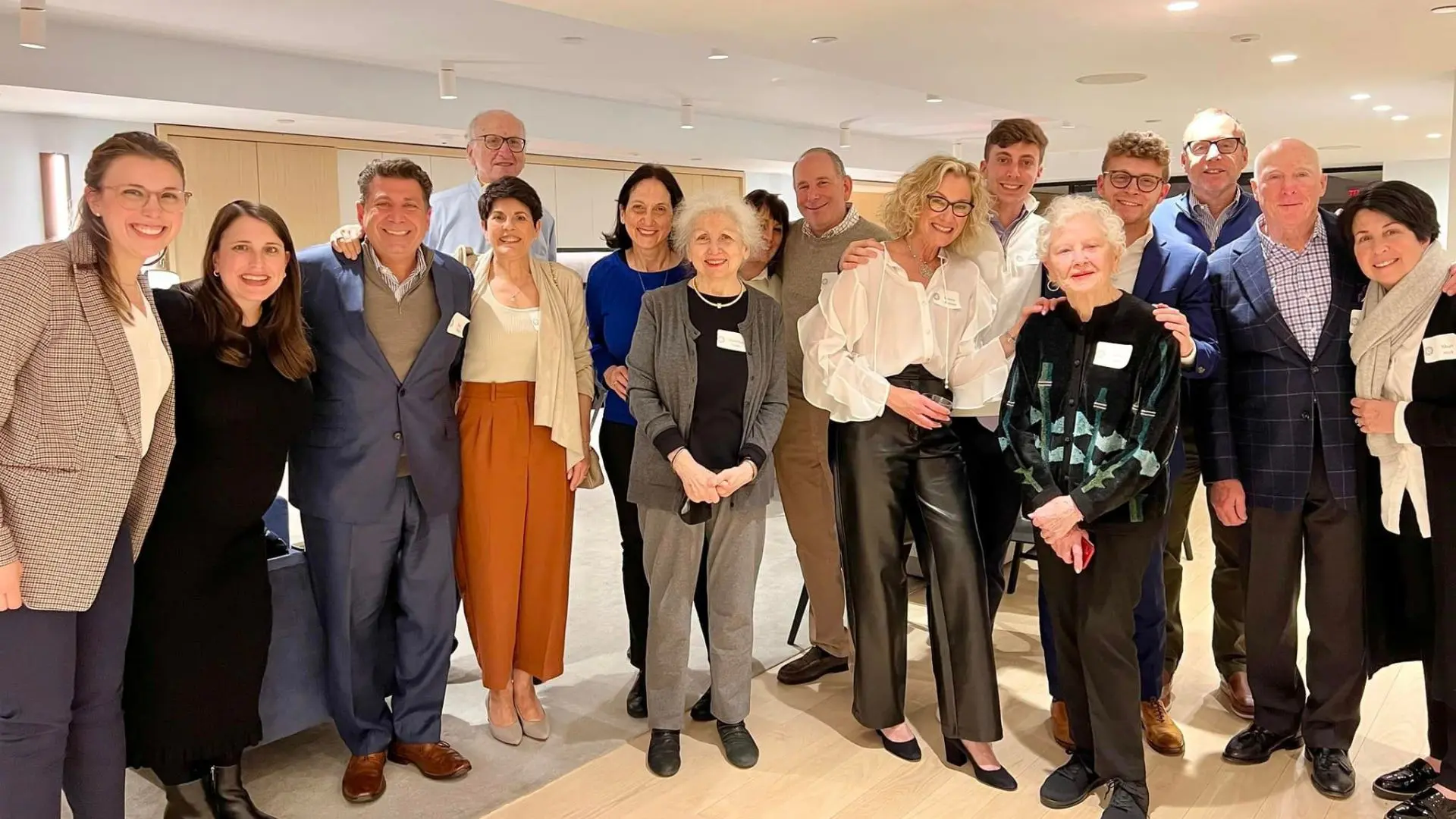
What a historic, sacred time it was to bear witness and offer support. On the very evening when the first hostages were released from Gaza, we had the privilege of joining thousands in Hostage Square, listening to the words of loved ones struggling with bittersweet emotions. The next day, we stood in reverence outside the Bibas family home, the boys’ abandoned swing set awaiting their return. More than once, we sang “Hineh Ma Tov” as a reminder of the blessing it was to be together as a TBJ community. All week, we wrestled with the dichotomy that is modern Israel – national unity complicated with political division, hope tangled with rage.  

On our last morning in Jerusalem, I pressed my palms against the Western Wall and felt the vibrations of an ancient place where three of the world’s great religions converge. As I whispered my Shehecheyanu for a life-changing first visit, I knew that despite my occasional doubt that peace is possible, my deep faith in Israel was solidified.